Trees and Traditions: Hawthorn, May Day, and dawn chorus
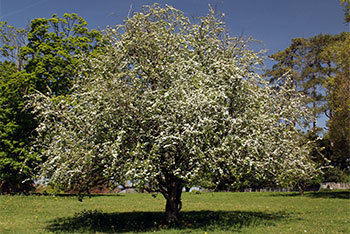
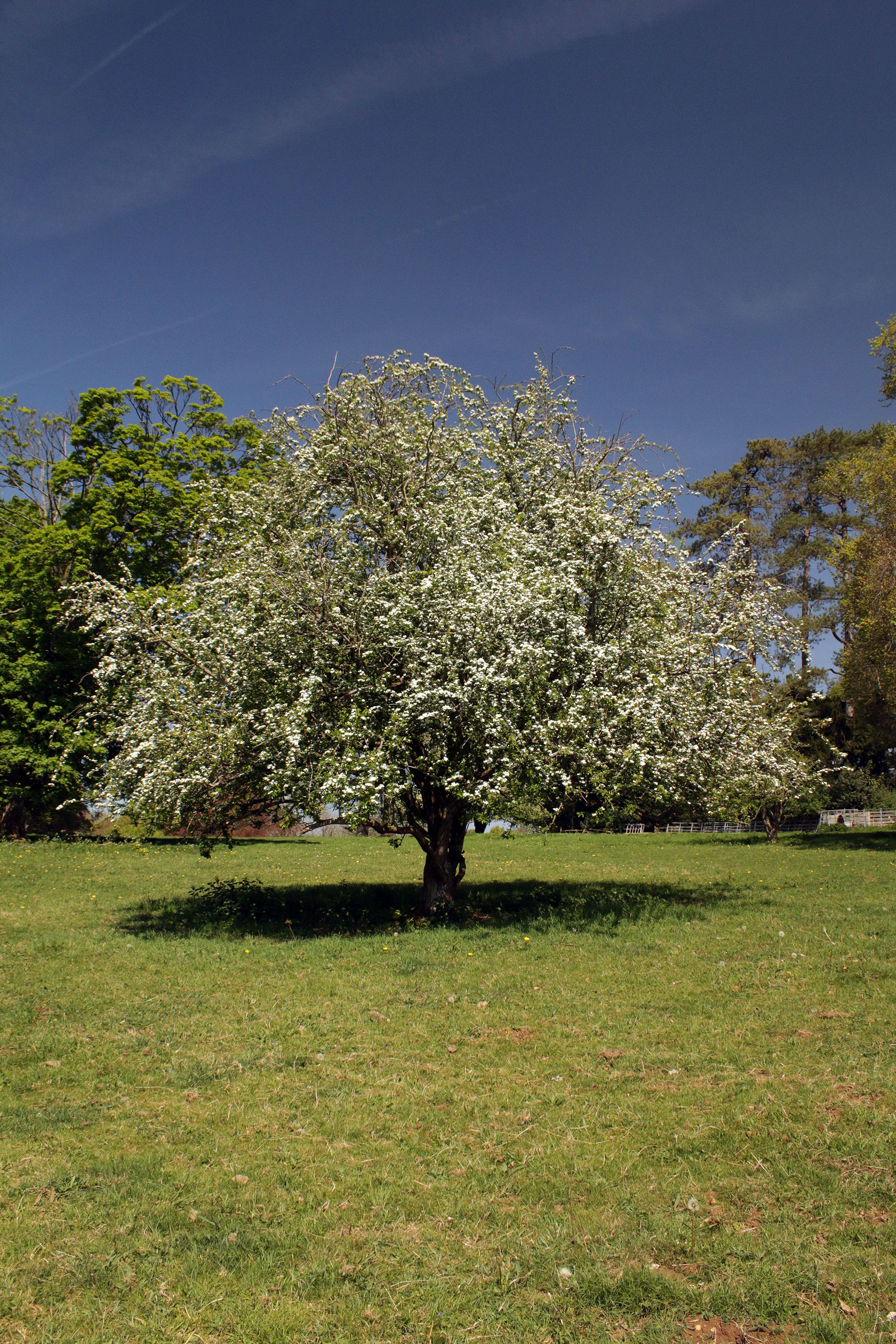
As spring moves towards early summer, May brings a noticeable shift across the landscape. Hedgerows thicken, and woodland canopies begin to close. Hawthorn becomes one of the most recognisable trees at this time of year, covering roadsides and field boundaries with dense white blossom.
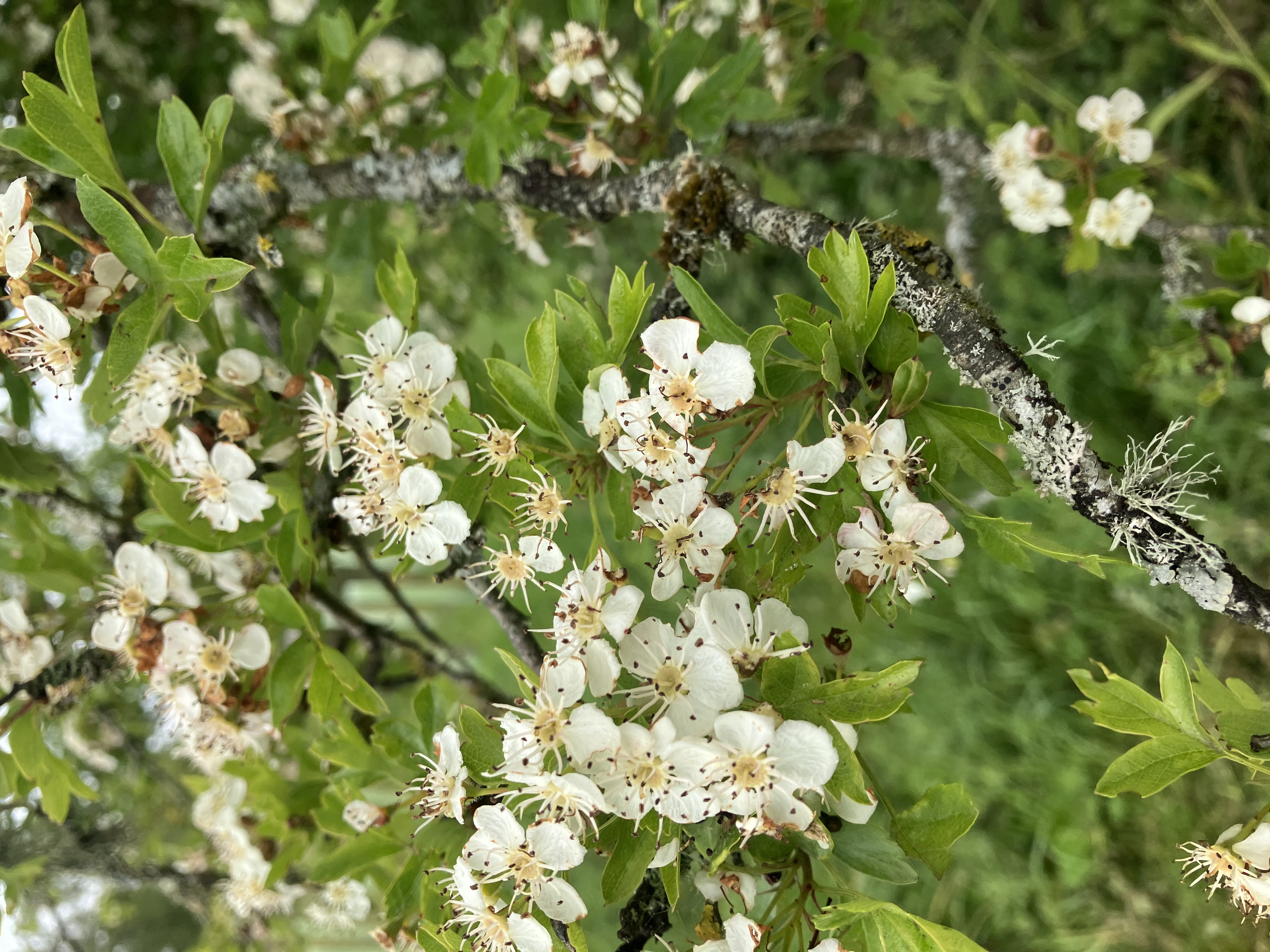
In the Celtic Tree Calendar, the period from May 13th to June 9th is associated with hawthorn, often referred to as the “May Tree”. Closely connected with Beltane and May Day celebrations, hawthorn has long symbolised protection, fertility, and the transition into summer. Traditionally, its blossom was used to decorate homes, village greens, and maypoles during seasonal festivities. Despite this, folklore also warned against bringing hawthorn indoors, with many believing it carried bad luck or disturbed fairy spirits linked to old trees.
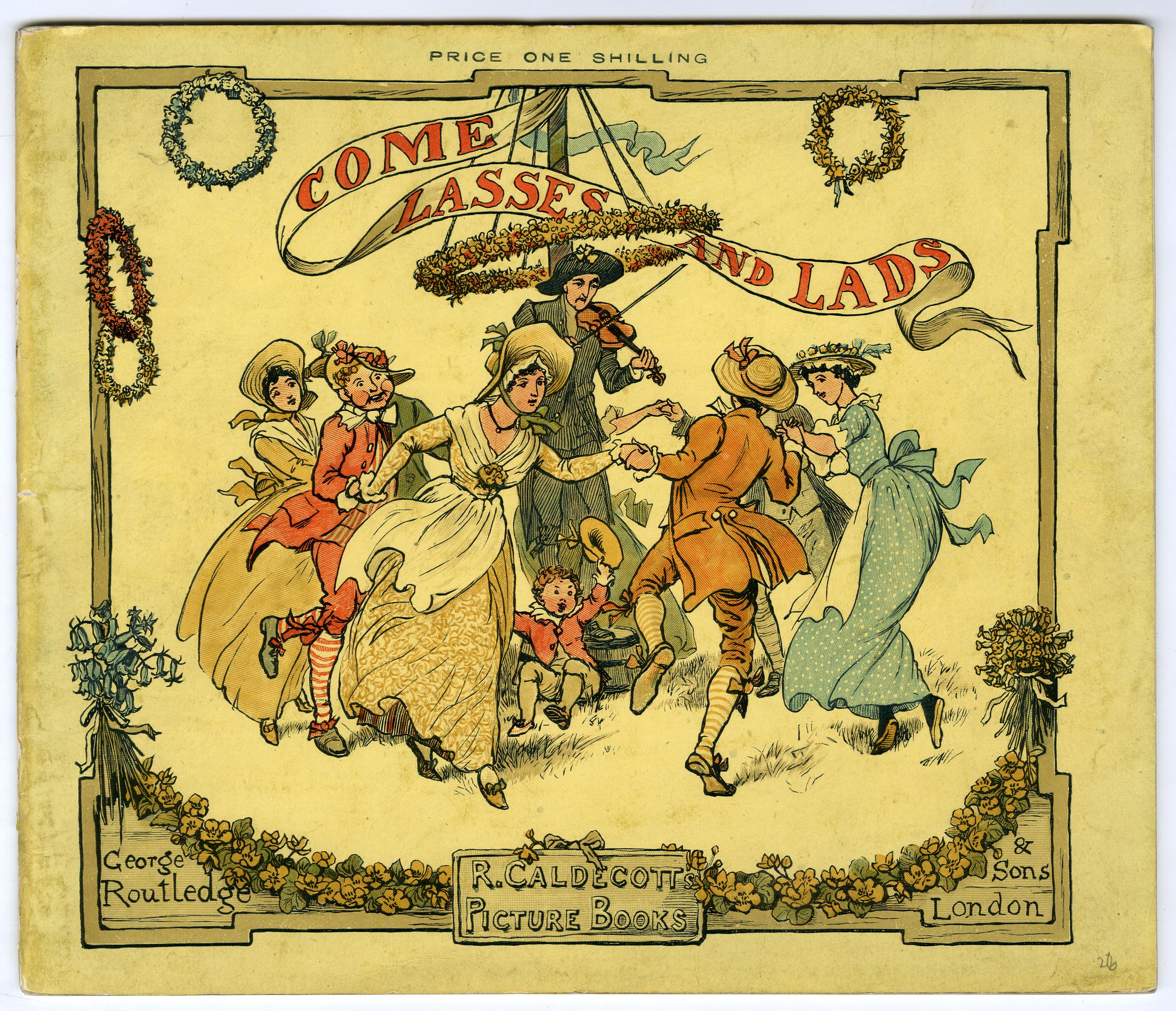
May Day itself has deep roots in seasonal customs across Britain. Village celebrations traditionally included maypole dancing, flower garlands, and the crowning of a May Queen, marking the return of warmer weather and longer days. Morris dancing also became closely associated with May Day festivities, with dancers performing in villages and market towns to welcome the summer season.
Across woodlands, the spring flora reaches its peak before the canopy has fully developed. Bluebells begin to disappear, closely followed by wild garlic, which is rapidly overtaken by tall grasses and bracken. Oak, ash, and beech trees are now in full leaf with cow parsley becoming increasingly common along roadsides and woodland edges, creating large swathes of white across the countryside.
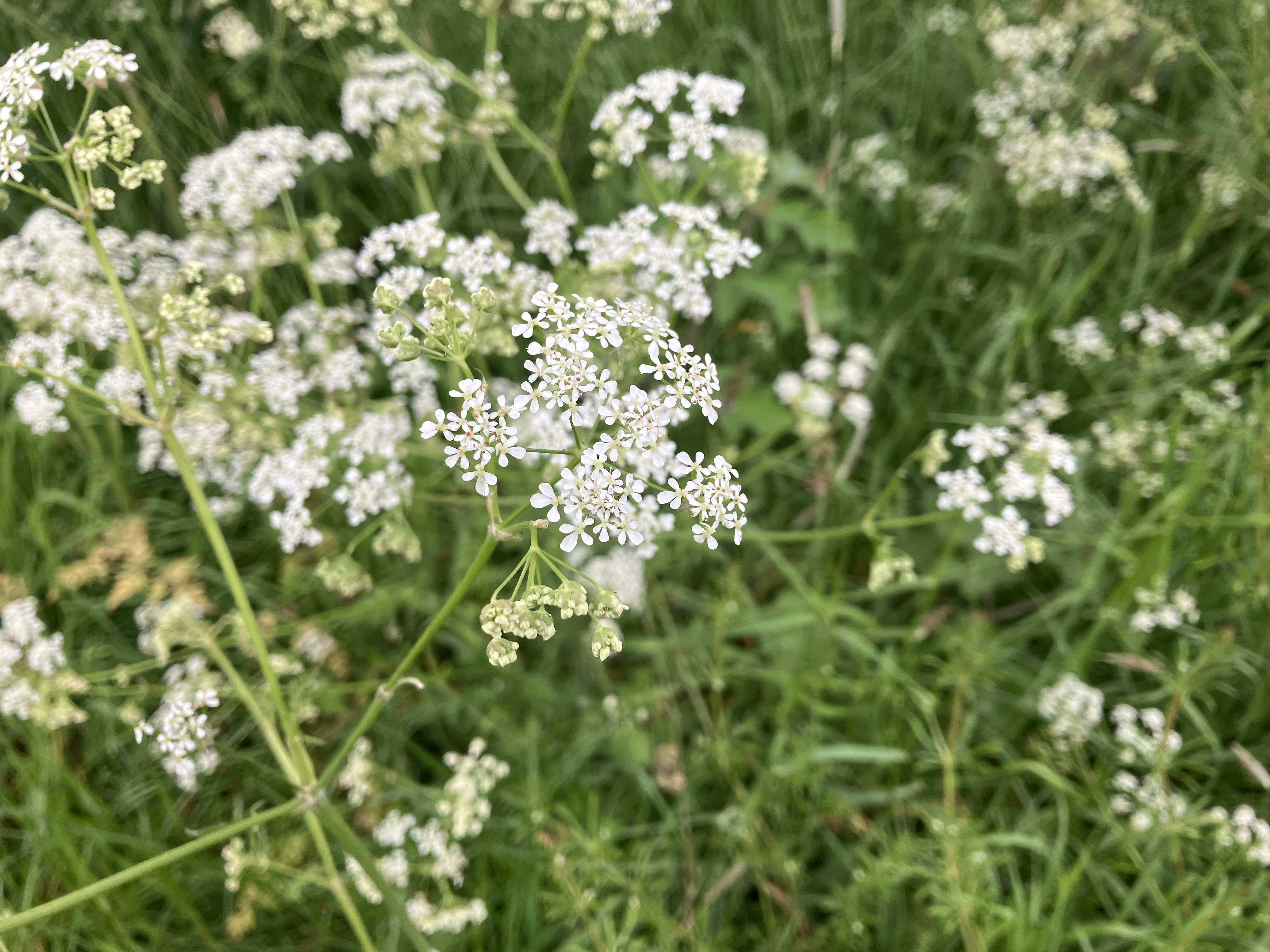
Bird activity also increases during May. The dawn chorus is at its loudest as species such as blackbirds, robins, wrens, and thrushes establish territories and raise young in newly built nests. Swifts and swallows return from migration, becoming a familiar sight overhead during warmer evenings.
Traditional folklore often reflected close observation of seasonal change. One well-known saying linked tree growth to weather patterns:
“Oak before ash, we’re in for a splash.
Ash before oak, we’re in for a soak.”
While not scientifically reliable, sayings such as these highlight how carefully seasonal changes were once observed within rural communities.