Trees and Traditions: winter identification, bark, buds and blackthorn
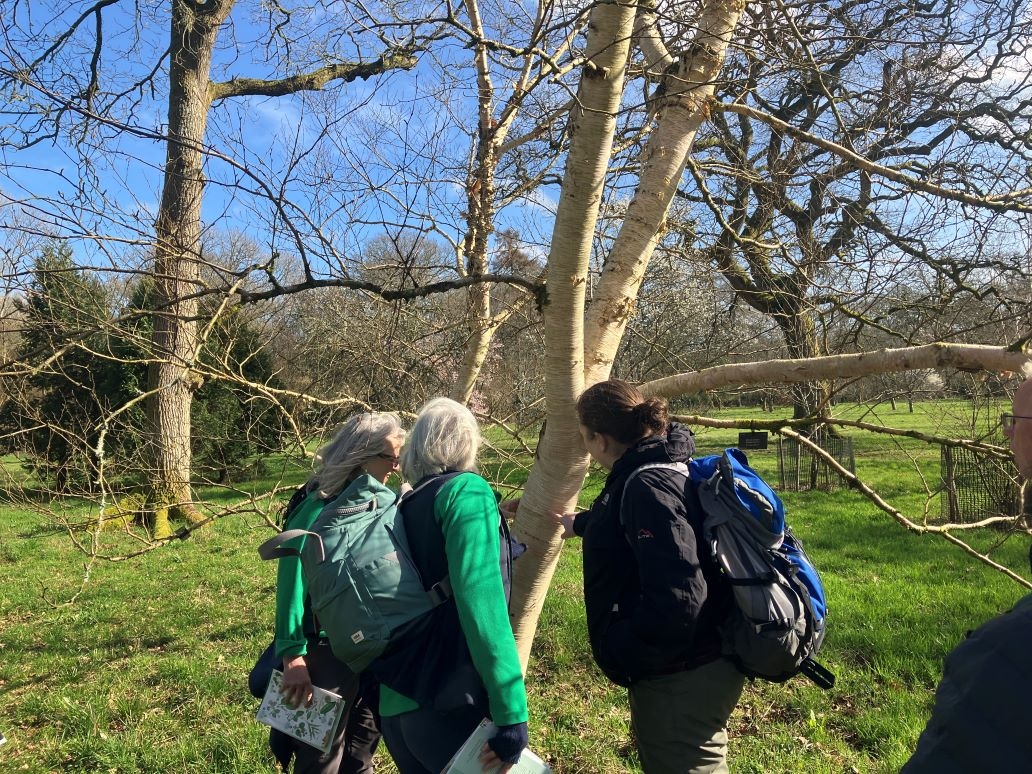
As winter begins to give way to spring, staff and volunteers recently took part in a Winter Broadleaf Tree Identification course with the Field Studies Council.
During the course, we covered the basics of tree biology and focused on how to identify broadleaf trees during winter, when many of the most recognisable features, such as leaves, are absent. Instead, we learned to look for other identifying characteristics including buds, catkins, bark texture, fruit, and the overall shape and structure of a tree. In the afternoon, we put these skills into practice on a walk through Silk Wood. By examining bark patterns, buds and remaining fruits, we tested our knowledge and practised identifying trees using the clues available in winter conditions.
[600x450].jpg)
Using identification keys. Photo by Amy Flower
The course took place at a time when the first signs of seasonal change were starting to appear in the landscape. One of the earliest indicators of spring is blackthorn, which produces its white flowers before its leaves emerge, often brightening hedgerows while much of the woodland is still bare.
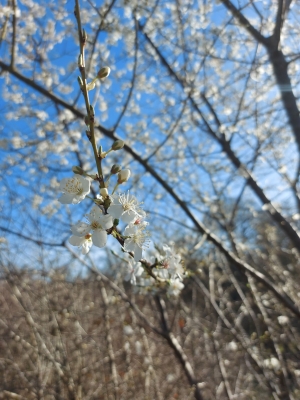
White blackthorn flowers emerging in early spring. Photo by Amy Flower
This period of the year also includes several seasonal markers. Early March marks St David's Day, traditionally associated with the daffodil. The Spring Equinox, when day and night are roughly equal in length, signals the astronomical start of spring, and the move to Daylight Saving Time brings lighter evenings.
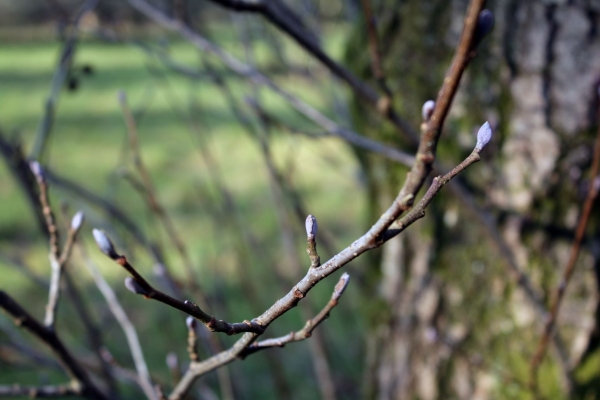
Photo of alder buds.
In the Celtic Tree Calendar, the period from March 18 to April 14 is linked with the alder. Alder commonly grows along rivers and in wet woodland and has long been recognised for its ecological importance in stabilising riverbanks and supporting wildlife. In folklore, alder is often associated with water, protection and resilience. Freshly cut alder turns a striking reddish colour, which led to myths of the tree "bleeding" and connections with life force and renewal. In Celtic traditions, alder was sometimes linked with warriors and guardianship, reflecting its strength in challenging, waterlogged environments.