Trees and Traditions: Budburst, bluebells and cuckoo calls
As spring gathers pace and the landscape shifts into a richer, more vibrant phase, April marks a time of noticeable change across woodlands. Longer days and warmer temperatures bring a surge of life, with new growth becoming more visible with each passing week.
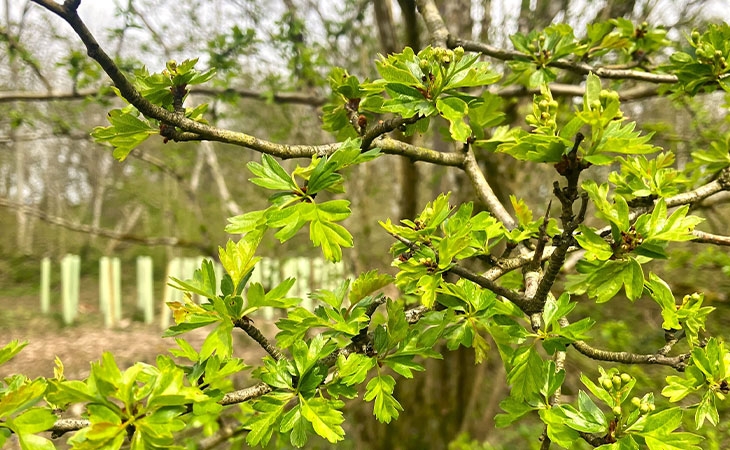
Trees are now moving beyond budburst into early leaf, such as the bright green hawthorn, softening the outlines of previously bare branches.
Spring blossoms
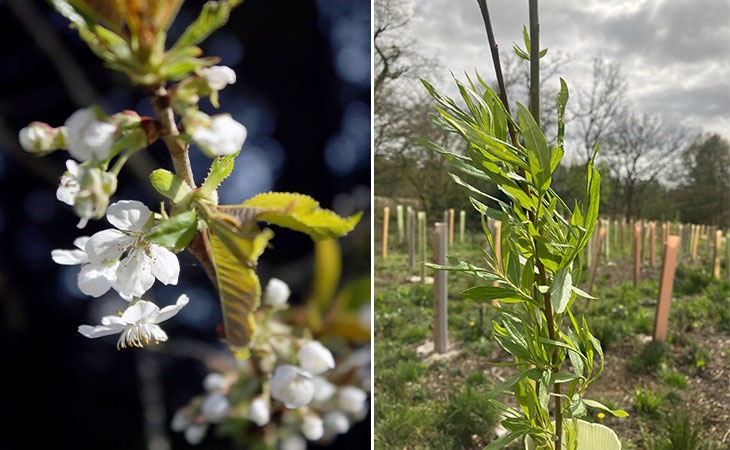
Willow, in particular, is a prominent species at this time of year. In the Celtic Tree Calendar, the period from April 15th to May 12th is associated with the willow. Often referred to as the “Tree of Enchantment”, it has various healing properties and is closely associated with fertility and new life. Its whips are frequently used in weaving and crafting. Found in damp, boggy areas and along riverbanks, willow thrives in wet conditions while anchoring itself with deep roots that help stabilise soils susceptible to erosion.
Across hedgerows and woodland edges, other trees are beginning to flower. Wild cherry brings a flush of delicate white blossoms, often appearing before the leaves are fully developed. Crab apple follows closely, with pink-tinged buds opening into pale blossom that adds to the patchwork of spring colour.
The Arrival of the Cuckoo
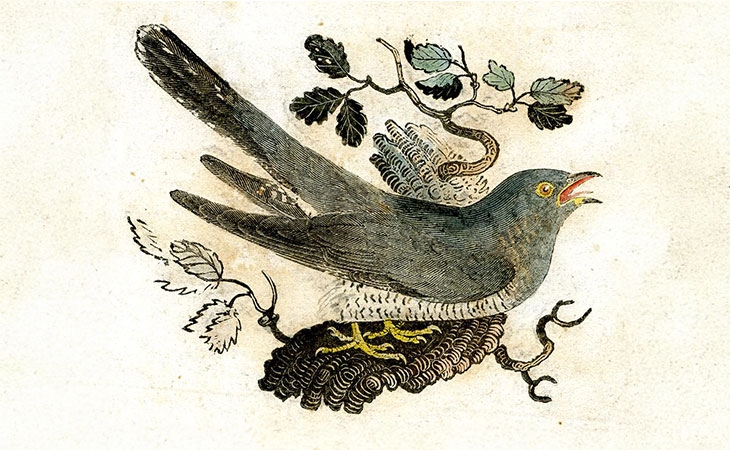
One of the most iconic seasonal markers in April is the arrival of the cuckoo, whose distinctive call has long been associated with the true beginning of spring. Typically heard from mid-April onwards, its call was traditionally said to begin around St. Tiburtius’ Day (14th April) and continue until midsummer. Across Britain, local sayings reflect how its arrival varies regionally, with different communities marking the moment through fairs and folklore.
"If the cuckoo sings on a bare thorn, you can sell your cattle and buy corn". An Irish/English warning of a late spring and poor fodder harvest.
"Cuckoo oats and woodcock hay makes the farmer run away". Refers to the bad luck of sowing oats or making hay too late in the season.
"The cuckoo comes in April, She sings her song in May, In the middle of June she changes her tune, And in July she flies away”
Woodland Floor
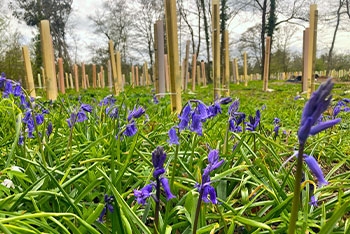
On the ground, spring flora continues to flourish. Woodland species such as bluebells, primroses and wild garlic are now widespread and indicate longstanding woodland cover, taking advantage of the sunlight before the canopy fully develops. This brief but intense period of growth supports a wide range of insects, from pollinating bees to early butterflies, all contributing to the complexity of the ecosystem. The weather tends to be variable at this time of year. We have certainly experienced recent days with warm sunshine, quickly followed by rain showers and wind. However, phrases such as “April showers bring May flowers” highlight the importance of spring rainfall, providing necessary moisture that triggers seed germination and plant growth, resulting in blooms during May.
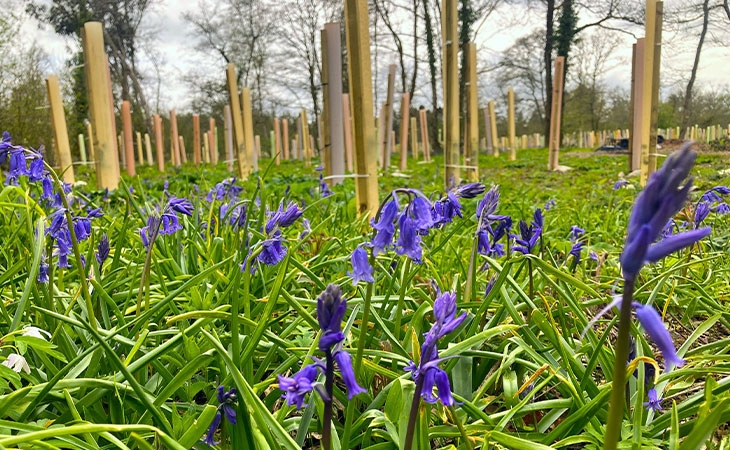
“April showers bring May flowers”
Moisture that triggers seed germination and plant growth for the season ahead.