
Tree and traditions: Ash, St Valentines oak and catkins
February sits on the threshold between winter and spring, a time when nature begins to show signs of subtle change. While the landscape may still appear barren, early signs of growth are beginning to emerge. British folklore traditions have long been tied to this period of transition.
The ash tree has long held an important place in folklore. It represents February in the Celtic tree calendar and is believed to connect the different realms. The tree was historically associated with children, earning the title “tree of life”, used in remedies for childhood illnesses. Newborns were often given a teaspoon of ash sap for good health, and unwell children would be passed through a cleft in an ash tree.
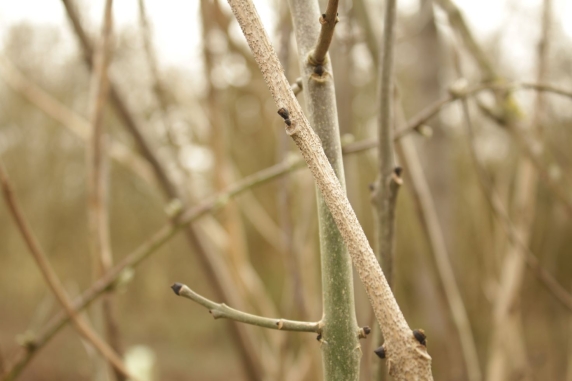
Black winter buds of an ash tree. Photo by Amy Flower
While there’s no religious connection between the ash tree and Ash Wednesday, it was tradition for children to bring a twig of black-budded ash to school on this day. If a child forgot, they risked having their feet stomped by those who had remembered.
Love also plays a role in February’s traditions. While roses are now the symbol of Valentine’s Day, the oak tree was historically central to romantic symbolism. Known for its strength and longevity, one folk tale claims that St. Valentine planted an acorn, where people would later leave love tokens and notes at the base of the tree.
[525x308].JPG)
Snowdrops in bloom. Photo by Amy Flower
February also brings the first signs of spring in the form of snowdrops, which emerge from the frozen ground. These small white flowers have come to symbolise purity, hope, and new beginnings. Adapted to cope with freezing cold temperatures, snowdrops have hardened leaf tips to enable them to push up through the frozen soil. Amazingly, their sap contains ‘anti-freeze’ proteins, which prevent ice crystals from forming and damaging the plants tissue.
Hazel catkins also begin to appear on bare branches; the word catkin originates from the Dutch word ‘katteken’, meaning ‘kitten’ or ‘little cat’, likely due to its resemblance to fluffy cat tails! These male flowers release pollen, relying on the wind for dispersal to other hazel trees. The appearance of these bright yellow catkins on woodland fringes often mark the gradual return of spring.
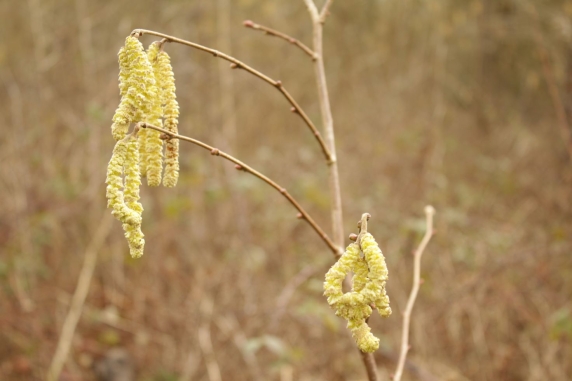
Hazel catkin. Photo by Amy Flower
