Tree Traditions: Wassailing
 As we start a new year, we’re launching a new blog series looking at cultural traditions and folklore surrounding trees and woodlands.
In British folklore, trees are closely connected to the annual cycles of nature. From late December through to January, trees and woodlands may appear dormant, but they offer both resource and symbolism during the harshest months.
The birch tree is a Celtic symbol of renewal and adaptability. A pioneer species, it is able to regenerate and spread easily. Its pale bark contrasts against the winter landscape. In folklore, the birch has long been linked to purification and new beginnings, with leaves being some of the first to emerge in early spring.
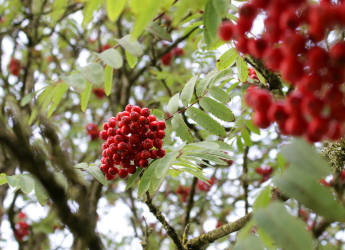
 The rowan tree is also very prominent at this time of year. Known for thriving in harsh, exposed conditions, its bright red berries persist through the winter, providing essential sustenance for birds. In folklore, rowan is often seen as a ‘protector’, being found near homes and farms. It is believed to ward off evil spirits and bad luck, and cutting down a rowan tree was traditionally thought to bring misfortune.
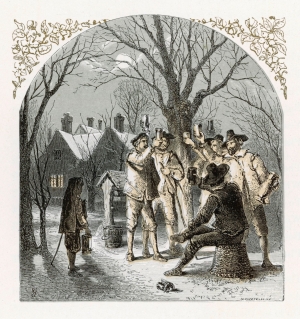
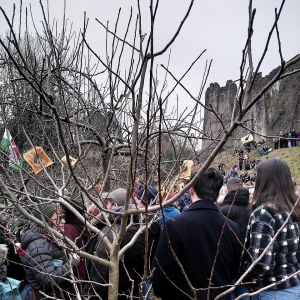 There are many New Year cultural celebrations, one of which is wassailing. Celebrated around Twelfth Night, this tradition involved visiting orchards, singing, and making noise to drive away harmful spirits, ensuring the health and future abundance of the trees. Participants would drink from wassail bowls and pour spiced alcoholic drink over the roots of fruit trees — a gesture meant to protect and nourish the land and encourage favourable yields for the coming growing season.
The ritual reinforces the belief that the health of trees was directly tied to the prosperity of the coming year. Although not commonplace, it is still celebrated in cider-producing regions, where it remains a valued tradition, connecting local communities with the changing seasons.