Why Winter Is the Best Time to Plant Trees
Winter may not immediately seem like the ideal season for heading out into cold, wet weather to plant trees. Yet it is actually the best time to do so, as trees are dormant and better able to establish their roots before the growing season begins in spring.
Trees have to cope with a range of different weather and environmental conditions throughout their lifespan. As they are unable to move away from unfavourable conditions, they have adapted various strategies that enable them to survive freezing temperatures and low light levels.
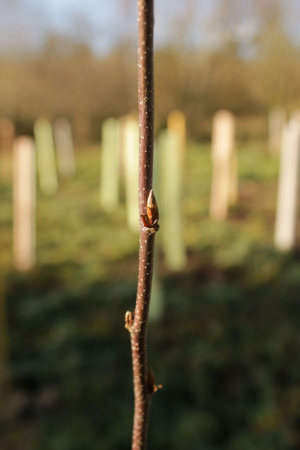
During winter, trees go into a dormant “sleeping” state, where visible growth halts, deciduous trees drop their leaves (leaf abscission), and buds harden beneath protective scales. However, beneath the soil, a tree’s roots remain active, absorbing nutrients and water to get them through the harsh winter months.
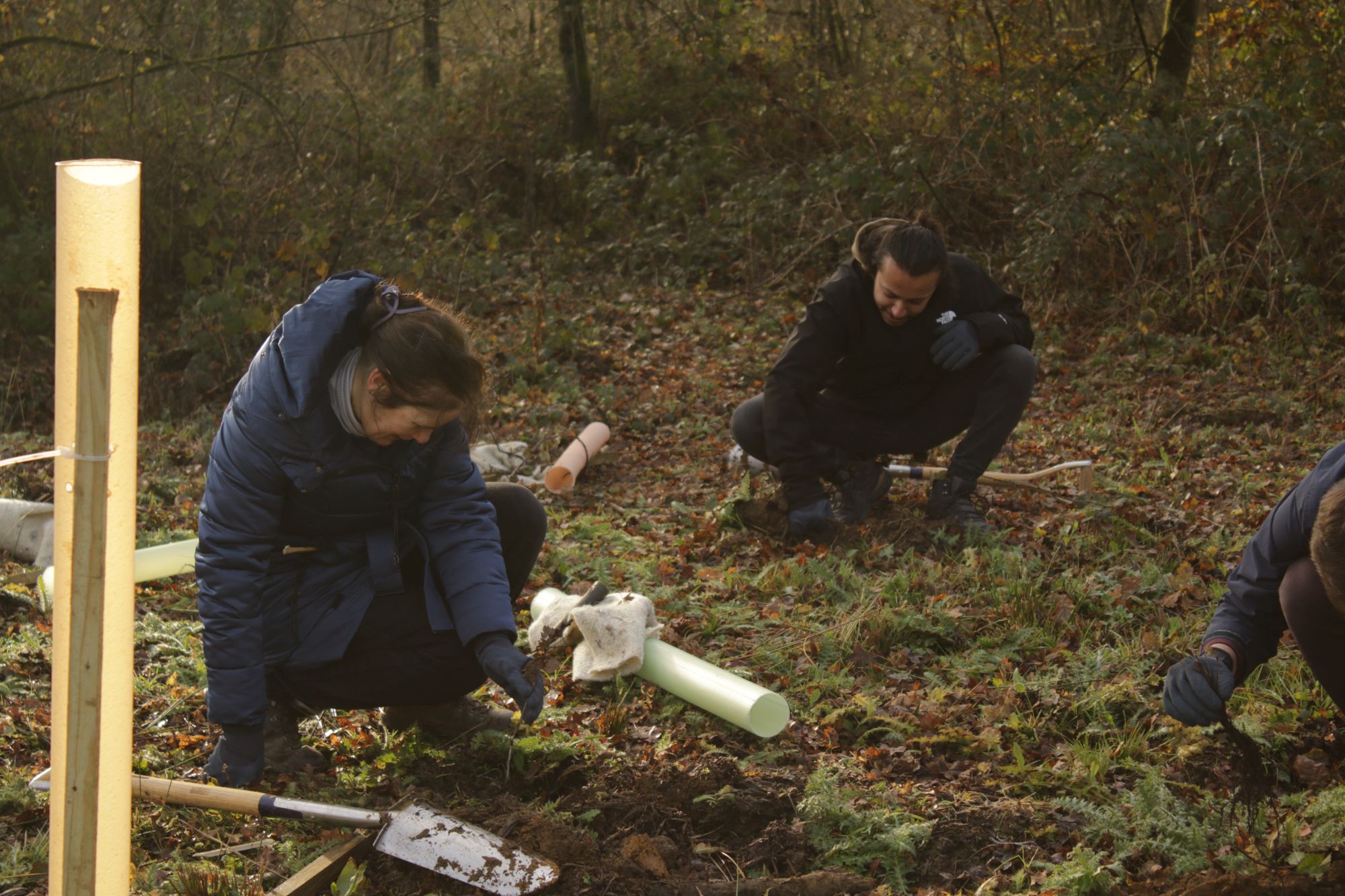
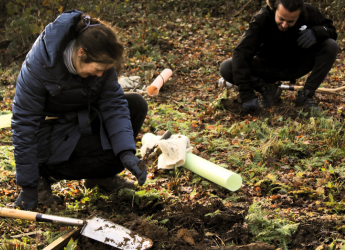
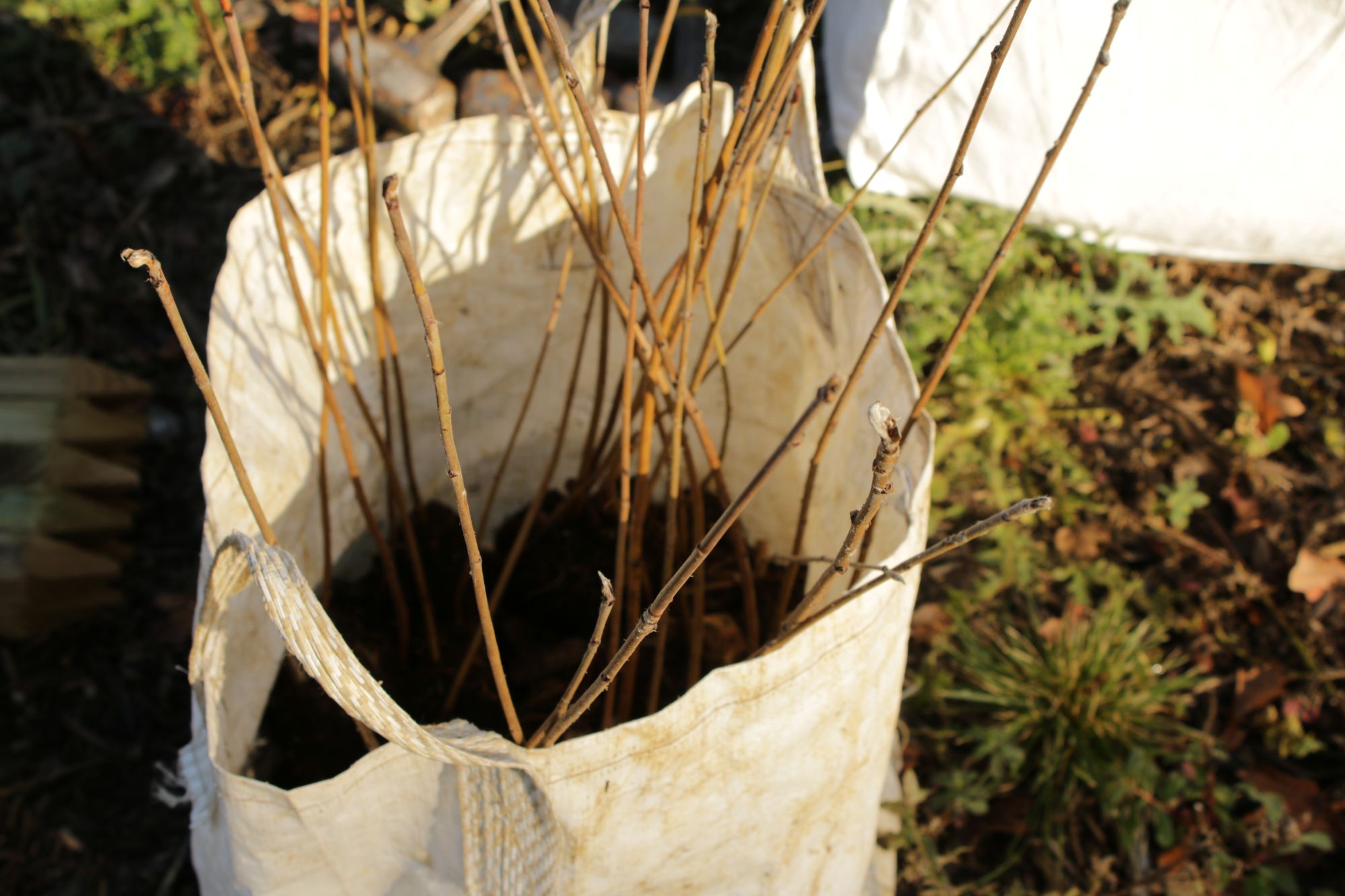
It’s for this reason that we plant trees between December and March. Small dormant saplings grown at Forestry England sites, including Delamere, are planted with the help of community groups across the Silk Wood planting site.
Unlike the summer, when a tree must direct its energy towards stem and leaf growth, winter allows energy to be focused on establishing strong roots. Winter soils are often still warm enough to support slow, steady root growth, particularly during milder spells.
By the time spring arrives, many newly planted trees already have a solid root system, enabling them to cope better with the surge of growth that warmer weather brings.
Winter planting also significantly reduces transplant stress. Dormant trees are less physiologically active, meaning they experience far less “shock” when moved and planted. Their water systems are under less strain, reducing the risk of dehydration and wilting. As a result, survival rates tend to be higher, and trees adapt more easily to their new environment.
Another advantage is improved water availability. Winter rainfall and naturally moist soils provide consistent hydration for developing roots, reducing the risk of water stress — one of the most common reasons young trees fail after planting. In addition, weeds are largely inactive during winter, giving young trees a crucial head start without competition for moisture and nutrients.
While winter-planted trees rarely need extra watering, those planted outside this season — especially in hot, dry conditions — require careful and consistent watering. In all cases, planting during winter gives trees the best possible start, setting them up for healthier growth and greater resilience in the seasons to come.